Delving into the realm of top remote monitoring and management tools on the market unveils a landscape of innovation and efficiency. From enhancing operational processes to ensuring seamless connectivity, these tools play a pivotal role in today's dynamic business environment.
Let's embark on a journey to discover the leading solutions that are shaping the way organizations monitor and manage their systems remotely.
As we navigate through the nuances of these tools, we will uncover the key features, comparisons, implementation strategies, and security considerations that are essential for businesses looking to optimize their operations.
Introduction to Remote Monitoring and Management Tools

Remote monitoring and management tools are software solutions that enable businesses to oversee and control their IT infrastructure, systems, and endpoints from a remote location. These tools provide real-time monitoring, automation, and problem resolution capabilities to ensure the smooth operation of networks, servers, workstations, and other devices.These tools are essential for businesses of all sizes as they help enhance operational efficiency, minimize downtime, improve security, and reduce IT costs.
By remotely monitoring and managing their systems, organizations can proactively address issues before they escalate, thereby maintaining productivity and preventing potential data breaches or disruptions.
Examples of Industries Benefiting from Remote Monitoring and Management Tools
- IT Services: Managed service providers (MSPs) use remote monitoring and management tools to efficiently manage and monitor their clients' IT infrastructure, providing proactive support and ensuring optimal performance.
- Healthcare: Healthcare providers utilize these tools to monitor medical devices, ensure compliance with regulations, and safeguard patient data, improving the quality of care and operational efficiency.
- Finance: Financial institutions rely on remote monitoring and management tools to secure sensitive financial information, detect cyber threats, and maintain high availability of critical systems and services.
- Retail: Retail businesses use these tools to manage their point-of-sale systems, inventory, and customer data, optimizing operations and enhancing customer experiences.
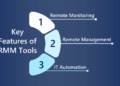
Key Features to Look for in Remote Monitoring and Management Tools
When selecting a remote monitoring and management tool for your business, it's crucial to consider the key features that will contribute to efficient operations and effective monitoring of your systems.
Real-time Monitoring Capabilities
Real-time monitoring allows you to stay informed about the status of your systems and networks instantly. Look for tools that provide real-time alerts and notifications to address issues promptly and prevent downtime.
Automation and Scripting
Automation and scripting capabilities streamline repetitive tasks and processes, saving time and reducing the chance of errors. Choose a tool that offers automation features to improve efficiency and productivity.
Scalability and Flexibility
Scalability is essential for growing businesses, as it allows the tool to expand along with your operations. Ensure the tool is flexible enough to adapt to your changing needs and can accommodate new devices and systems easily.
Security Features
Security is a top priority when it comes to remote monitoring and management. Look for tools that offer robust security features such as encryption, authentication, and access controls to protect your data and systems from cyber threats.
Reporting and Analytics
Reporting and analytics features provide valuable insights into the performance of your systems and networks. Choose a tool that offers detailed reports and analytics to help you make informed decisions and optimize your operations.
Top Remote Monitoring and Management Tools Comparison
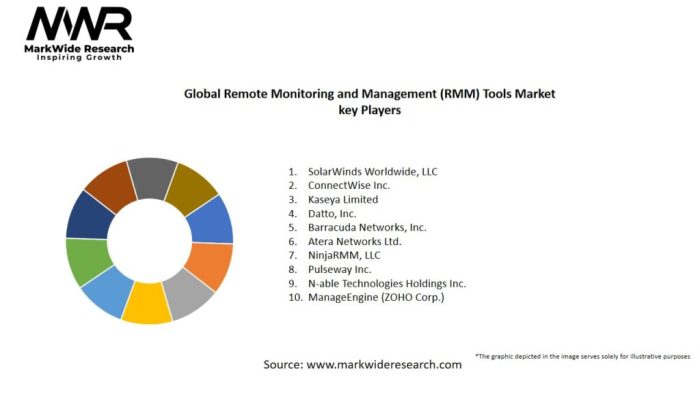
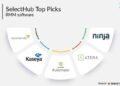
When it comes to remote monitoring and management tools, there are several top options available in the market that cater to different needs and budgets. To help you make an informed decision, let's compare some of the leading tools based on features, pricing, scalability, and customer reviews.
SolarWinds RMM
- Features: SolarWinds RMM offers a wide range of monitoring and management capabilities, including patch management, remote control, and network discovery.
- Pricing: Pricing is based on the number of devices being monitored, making it scalable for businesses of all sizes.
- Scalability: SolarWinds RMM is known for its scalability and can adapt to the needs of growing businesses.
- Customer Reviews: Users appreciate the user-friendly interface and robust features but have reported occasional issues with customer support.
ConnectWise Automate
- Features: ConnectWise Automate offers automation capabilities, patch management, and monitoring for servers, workstations, and devices.
- Pricing: The pricing structure of ConnectWise Automate can be complex, but it offers flexibility for customization.
- Scalability: ConnectWise Automate is suitable for businesses of all sizes and can scale as needed.
- Customer Reviews: Users praise the automation features but have mentioned a learning curve for new users.
ManageEngine OpManager
- Features: ManageEngine OpManager provides network monitoring, performance management, and bandwidth analysis.
- Pricing: ManageEngine OpManager offers a competitive pricing structure with different editions catering to various needs.
- Scalability: ManageEngine OpManager is scalable and can handle large networks effectively.
- Customer Reviews: Customers appreciate the ease of use and comprehensive monitoring features but have noted occasional stability issues.
Pros and Cons
SolarWinds RMM: Offers a user-friendly interface and robust features but may have issues with customer support.
ConnectWise Automate: Provides automation capabilities and flexibility in pricing but has a learning curve for new users.
ManageEngine OpManager: Competitive pricing, ease of use, and scalability but may face stability issues at times.
Implementation and Integration of Remote Monitoring and Management Tools

Implementing and integrating remote monitoring and management tools in a business setting involves a series of steps to ensure a smooth transition and effective utilization of the tools. Companies may face challenges during this process, but following best practices can help overcome these hurdles.
Steps for Implementing Remote Monitoring and Management Tools
- Assess the current IT infrastructure and identify the areas that require monitoring and management.
- Choose the right remote monitoring and management tool that aligns with the company's needs and goals.
- Deploy the selected tool across the network and configure it according to the specific requirements of the organization.
- Train employees on how to effectively use the tool for monitoring and managing systems remotely.
- Regularly monitor the performance of the tools and make necessary adjustments to optimize their functionality.
Challenges in Integrating Remote Monitoring and Management Tools
- Resistance from employees who are accustomed to traditional monitoring methods.
- Compatibility issues with existing systems and software within the organization.
- Data security concerns when implementing remote monitoring tools that access sensitive information.
- Ensuring seamless integration without disrupting daily operations and workflows.
Best Practices for Seamless Integration
- Conduct thorough testing and pilot runs before full deployment to identify and resolve any potential issues.
- Collaborate closely with IT teams and stakeholders to ensure a smooth transition and integration process.
- Provide adequate training and support to employees to facilitate the adoption of the new tools.
- Regularly review and update the integration process to address any evolving needs or challenges.
Security Considerations with Remote Monitoring and Management Tools
When utilizing remote monitoring and management tools, it is crucial to address security concerns to protect sensitive data and systems from potential threats.
Remote monitoring tools can introduce security risks such as unauthorized access, data breaches, and exposure of confidential information. It is essential to implement robust security measures to safeguard against these risks.
Security Features of Top Tools
- Encryption: Many top remote monitoring tools offer encryption capabilities to secure data transmission and communication between devices.
- Multi-factor Authentication: Implementing multi-factor authentication adds an extra layer of security by requiring users to provide multiple forms of verification.
- Role-Based Access Control: Top tools allow administrators to define access levels based on roles, limiting access to sensitive data only to authorized personnel.
- Activity Monitoring: These tools provide detailed logs and monitoring of user activities to track any suspicious behavior or unauthorized access attempts.
Strategies for Data Privacy and Protection
- Regular Security Audits: Conducting regular security audits helps identify vulnerabilities and ensures that security measures are up to date.
- Data Encryption: Encrypting sensitive data stored on devices and during transmission adds an extra layer of protection against unauthorized access.
- Employee Training: Providing comprehensive training to employees on security best practices helps in preventing data breaches caused by human error.
- Vendor Assessment: Before selecting a remote monitoring tool, thoroughly assess the security features and protocols offered by the vendor to ensure compliance with industry standards.
Summary

In conclusion, the realm of remote monitoring and management tools offers a vast array of possibilities for businesses seeking to streamline their processes and enhance productivity. By embracing the top tools available in the market, organizations can leverage technology to drive growth, efficiency, and security in an increasingly interconnected world.
Quick FAQs
What are the key features to look for in remote monitoring and management tools?
Businesses should consider features like real-time monitoring, scalability, customizable alerts, automated problem resolution, and integration capabilities.
Which industries benefit the most from remote monitoring and management tools?
Industries such as IT services, healthcare, manufacturing, and retail benefit greatly from these tools by improving operational efficiency, reducing downtime, and enhancing overall performance.
How do remote monitoring tools mitigate security risks?
Top tools offer encryption, multi-factor authentication, access controls, and regular security updates to protect data and systems from potential threats.