Exploring the key benefits of utilizing RMM tools sets the stage for an insightful discussion on how these tools revolutionize IT management. From enhanced monitoring capabilities to automation and efficiency, this topic delves into the essential advantages that RMM tools bring to the table in today's technology landscape.
Overview of RMM tools
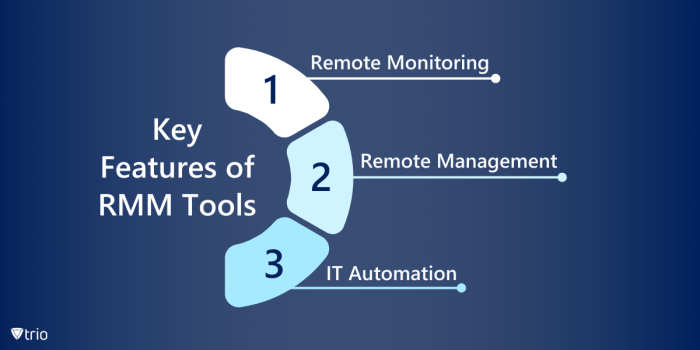
RMM (Remote Monitoring and Management) tools are essential software solutions used by IT professionals to remotely monitor and manage endpoints, networks, and systems. These tools provide real-time insights, automate routine tasks, and enable efficient troubleshooting without the need for physical presence.
Examples of Popular RMM Tools
- SolarWinds RMM
- ConnectWise Automate
- Kaseya VSA
- ManageEngine Desktop Central
Importance of RMM Tools in Modern IT Management
RMM tools play a crucial role in modern IT management by offering proactive monitoring, patch management, remote access, and security features. These tools help IT teams ensure the stability and security of IT infrastructure, optimize performance, and minimize downtime. By utilizing RMM tools, organizations can enhance productivity, reduce costs, and deliver better user experiences.
Enhanced monitoring capabilities
Real-time monitoring of IT infrastructure is a key benefit of utilizing RMM tools. These tools continuously track the performance and status of various components within a network, providing immediate insights into any issues or anomalies that may arise.Moreover, RMM tools enable IT professionals to identify and resolve potential issues proactively before they escalate into major problems.
By receiving alerts and notifications in real-time, IT teams can take swift action to address issues, minimizing downtime and ensuring smooth operations.
Impact on system performance and stability
Enhanced monitoring capabilities offered by RMM tools have a significant impact on system performance and stability. By constantly monitoring key metrics such as CPU usage, memory consumption, and network traffic, IT teams can optimize system performance and prevent bottlenecks.Additionally, proactive issue resolution helps maintain system stability by addressing potential problems before they impact critical business operations.
This proactive approach not only enhances system reliability but also improves overall productivity within the organization.
Automation and efficiency
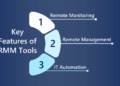
Automating routine IT tasks is a key feature of RMM tools, allowing IT teams to streamline operations and improve efficiency by reducing manual intervention.
Tasks automated using RMM tools
- Software updates: RMM tools can automatically push out updates to all connected devices, ensuring they are always up-to-date with the latest patches and security fixes.
- System maintenance: Tasks like disk cleanup, defragmentation, and registry cleaning can be scheduled and automated to optimize system performance.
- Backup and recovery: RMM tools can automate the backup of critical data and systems, ensuring that in the event of a failure, data can be quickly restored.
Efficiency benefits of automation
Automation through RMM tools improves operational efficiency by:
- Reducing human error: Automation eliminates the risk of manual errors that can occur when performing repetitive tasks, ensuring consistency and accuracy.
- Saving time: IT teams can focus on more strategic initiatives as routine tasks are automated, freeing up valuable time and resources.
- Proactive problem resolution: Automated monitoring and alerts allow IT teams to address issues before they escalate, minimizing downtime and disruptions.
Security and compliance benefits
In the realm of IT management, security and compliance are crucial aspects that cannot be overlooked
Enhanced cybersecurity measures
RMM tools provide real-time monitoring of network devices, endpoints, and applications, allowing IT teams to detect and respond to security threats promptly. By continuously monitoring for suspicious activities, unauthorized access attempts, or unusual behavior, RMM tools help in identifying potential security breaches before they escalate.
This proactive approach enhances the overall cybersecurity posture of an organization, reducing the risk of data breaches and cyber attacks.
Ensuring compliance with regulations
In today's regulatory landscape, organizations across various industries are required to adhere to specific compliance standards and regulations to protect sensitive data and maintain trust with customers. RMM tools assist in automating compliance checks, audits, and reporting processes, ensuring that IT systems meet the necessary requirements set forth by regulatory bodies.
By monitoring and documenting compliance activities, RMM tools help organizations avoid hefty fines, legal penalties, and reputational damage resulting from non-compliance.
Importance of security and compliance in IT management
Security and compliance are paramount in IT management as they safeguard critical data, maintain operational continuity, and uphold the trust of stakeholders. Data breaches and compliance violations can have severe consequences for organizations, leading to financial losses, legal repercussions, and damage to reputation.
By leveraging RMM tools to strengthen security measures and adhere to compliance standards, businesses can mitigate risks, demonstrate their commitment to data protection, and ensure the smooth operation of their IT infrastructure.
Scalability and flexibility
RMM tools offer organizations the ability to scale their IT management processes according to their specific needs. This scalability ensures that businesses can adapt to changes in their infrastructure and operations without facing limitations.
Scalability of RMM Tools
- RMM tools allow businesses to easily add or remove devices from their monitoring and management systems as needed. This ensures that as the organization grows or changes, the IT infrastructure can be adjusted accordingly.
- With RMM tools, companies can efficiently manage a large number of endpoints, whether they are located in a single office or spread across multiple locations. This scalability is crucial for businesses with diverse IT environments.
Flexibility in Managing IT Environments
- RMM tools provide the flexibility to monitor and manage various types of devices, operating systems, and applications. This versatility is essential for businesses with complex IT setups.
- Organizations can customize their RMM tools to meet their specific requirements, allowing them to tailor the monitoring and management processes to suit their unique IT environment.
Benefits for Businesses
- Scalability and flexibility offered by RMM tools enable businesses to grow and adapt to changes in their IT infrastructure without disruptions.
- By efficiently managing diverse IT environments, organizations can ensure optimal performance and security across all endpoints, leading to improved productivity and reduced downtime.
Closure
In conclusion, the key benefits of utilizing RMM tools offer a strategic advantage to businesses seeking to streamline their IT operations. By embracing these tools, organizations can achieve enhanced security, efficiency, and scalability in managing their IT infrastructure.
Clarifying Questions
How do RMM tools enhance monitoring capabilities?
RMM tools provide real-time monitoring of IT infrastructure, allowing for proactive issue identification and resolution. This results in improved system performance and stability.
What security benefits do RMM tools offer?
RMM tools contribute to enhancing cybersecurity measures by monitoring and detecting potential threats, thus bolstering overall security posture.
Can RMM tools help with automation of IT tasks?
Yes, RMM tools automate routine IT tasks, such as software updates and system maintenance, leading to improved operational efficiency and time savings for IT teams.