As the digital landscape continues to evolve, the need for reliable remote monitoring and management tools for IT service providers becomes increasingly crucial. In this comprehensive guide, we delve into the world of these tools, exploring their importance, key features, and the benefits they bring to the IT service industry.
Overview of Remote Monitoring and Management Tools for IT Service Providers
Remote monitoring and management tools play a crucial role in the IT service industry by allowing service providers to oversee and maintain their clients' systems remotely. These tools are essential for ensuring the smooth operation of IT infrastructure and addressing issues promptly without the need for physical intervention.
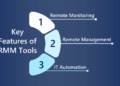
Key Features of Remote Monitoring and Management Tools
- Real-time monitoring of network performance and security
- Automated alerts and notifications for potential issues
- Remote access and control of devices for troubleshooting
- Patch management to ensure systems are up to date
- Inventory management for tracking hardware and software assets
Benefits of Using Remote Monitoring and Management Tools
- Improved efficiency and productivity through proactive monitoring and quick issue resolution
- Cost savings by reducing the need for on-site visits and minimizing downtime
- Enhanced security through continuous monitoring and detection of potential threats
- Increased client satisfaction by providing faster response times and better service quality
Key Considerations When Choosing Remote Monitoring and Management Tools
When selecting remote monitoring and management tools for IT service providers, several key considerations should be taken into account to ensure the chosen tool aligns with the provider's needs and requirements.
Scalability of the Tools
One crucial factor to consider is the scalability of the remote monitoring and management tool. IT service providers should assess whether the tool can accommodate the growth of their client base and the increasing complexity of their IT infrastructure. A scalable tool ensures that as the business expands, the monitoring and management capabilities can easily adapt to the changing demands.
Security Measures in Place
Security is paramount when it comes to remote monitoring and management tools. Providers should prioritize tools that offer robust security measures to protect sensitive data and prevent unauthorized access. Features such as encryption, multi-factor authentication, and regular security updates are essential to safeguarding the IT environment.
Top Remote Monitoring and Management Tools in the Market
When it comes to remote monitoring and management tools for IT service providers, there are several top options available in the market. These tools offer a range of features and functionalities to help IT professionals effectively monitor and manage their clients' systems and networks.
SolarWinds N-central
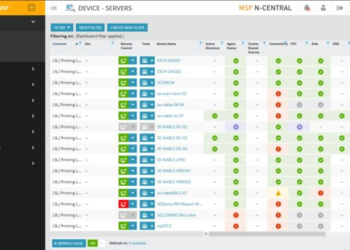
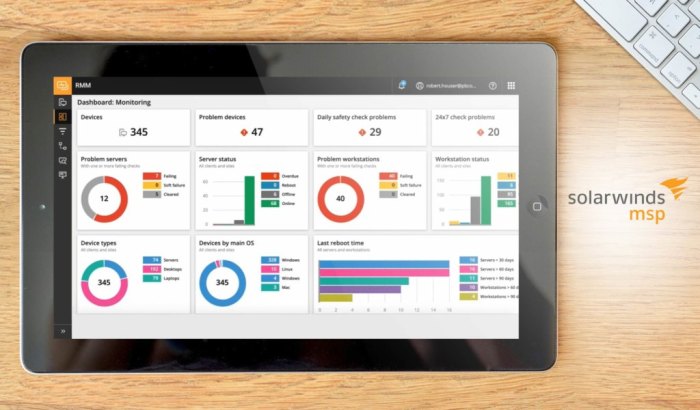
SolarWinds N-central is a comprehensive remote monitoring and management tool that offers advanced features such as network monitoring, patch management, remote access, and automation capabilities. It provides a user-friendly interface that allows IT professionals to easily monitor and manage multiple clients from a centralized dashboard.
ConnectWise Automate
ConnectWise Automate is another popular remote monitoring and management tool that offers a wide range of features, including remote control, patch management, scripting, and reporting capabilities. It is known for its scalability and flexibility, making it suitable for IT service providers of all sizes.
Kaseya VSA
Kaseya VSA is a powerful remote monitoring and management tool that provides IT professionals with comprehensive visibility and control over their clients' IT environments. It offers features such as remote monitoring, patch management, automation, and network discovery, all within a single platform.
Pricing Models and Value for Money
When comparing the pricing models of these tools, it is important to consider factors such as the number of endpoints supported, the level of functionality included, and any additional add-ons or services offered. While some tools may have a higher upfront cost, they may provide more value in terms of features and capabilities.
User Interface and Ease of Use
In terms of user interface and ease of use, all three tools mentioned above offer intuitive dashboards and customizable settings that make it easy for IT professionals to monitor and manage their clients' systems. Training and support are also available to help users get the most out of these tools.Overall, the top remote monitoring and management tools in the market provide IT service providers with the tools they need to effectively monitor and manage their clients' systems and networks.
Each tool offers unique features and capabilities, so it's important to evaluate your specific needs and requirements before making a decision.
Case Studies
In this section, we will explore real-world examples of IT service providers who have successfully implemented remote monitoring and management tools, the impact of these tools on their operational efficiency and client satisfaction, as well as any challenges they faced during the implementation and how they overcame them.
Case Study 1: ABC IT Solutions
ABC IT Solutions, a small IT service provider, implemented a leading remote monitoring and management tool to streamline their operations. By utilizing this tool, they were able to proactively monitor their clients' systems, identify issues before they escalated, and resolve them remotely.
This led to a significant improvement in their operational efficiency, as they could address problems swiftly without the need for on-site visits. Client satisfaction also increased, as downtime was minimized, and issues were resolved promptly.
Case Study 2: XYZ Managed Services
XYZ Managed Services, a medium-sized IT service provider, faced challenges during the implementation of a remote monitoring and management tool due to resistance from their technicians. However, through proper training and communication, they were able to overcome this hurdle and successfully integrate the tool into their workflow.
The impact was substantial, with XYZ Managed Services experiencing a boost in productivity, reduced response times to client issues, and improved overall service quality. Client satisfaction levels soared as a result of the enhanced monitoring and management capabilities.
Closing Notes

In conclusion, the realm of remote monitoring and management tools offers a myriad of possibilities for IT service providers looking to streamline their operations and enhance client satisfaction. By understanding the key considerations, exploring top tools in the market, and learning from successful case studies, providers can elevate their services to new heights in the ever-changing digital landscape.
FAQ Compilation
What are the key features of remote monitoring and management tools?
Key features include real-time monitoring, automated alerts, performance analysis, and remote access capabilities.
How should IT service providers assess the scalability of these tools?
Providers should consider factors like the number of devices supported, ease of expansion, and compatibility with future technologies.
What security measures should remote monitoring and management tools have in place?
Security measures should include data encryption, user authentication, role-based access control, and regular security updates.