Diving into the realm of Leading remote monitoring and management solutions, this introduction sets the stage by highlighting the crucial role these technologies play in today's digital landscape. From enhancing efficiency to ensuring robust security measures, these solutions are at the forefront of modern business operations.
As we delve deeper, we uncover the key components that make these solutions stand out and the tangible benefits they bring to businesses of all sizes.
Overview of Remote Monitoring and Management Solutions
Remote monitoring and management solutions refer to software tools and platforms that allow businesses to oversee and control their IT systems and networks from a remote location. These solutions provide real-time monitoring, automation, and troubleshooting capabilities to ensure the smooth operation of a company's digital infrastructure.In today's digital landscape, where businesses rely heavily on technology to operate efficiently, remote monitoring and management solutions play a crucial role in maintaining the performance and security of IT systems.
With the increasing complexity of networks and the rise of remote work, these solutions have become essential for businesses to proactively manage their IT environments and prevent potential issues before they escalate.
Key Features of Leading Remote Monitoring and Management Solutions
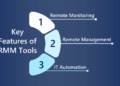
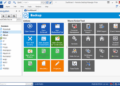
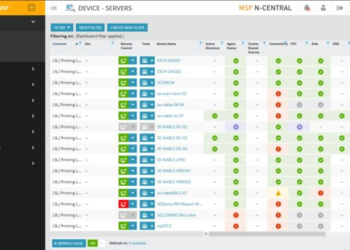
- Centralized Monitoring: Leading solutions offer a centralized dashboard that provides a comprehensive view of all connected devices and systems, allowing IT teams to monitor performance metrics and identify issues quickly.
- Automation: These solutions automate routine tasks such as software updates, patch management, and system maintenance, reducing manual intervention and minimizing downtime.
- Alerting and Notifications: They alert IT teams in real-time about potential issues or anomalies, enabling quick response and resolution to prevent disruptions to business operations.
- Security Capabilities: Leading solutions include security features such as antivirus protection, firewall management, and vulnerability scanning to safeguard IT infrastructure from cyber threats.
- Remote Access: They enable IT administrators to remotely access and troubleshoot devices, servers, and networks, ensuring prompt resolution of issues without the need for physical presence.
- Reporting and Analytics: These solutions provide detailed reports and analytics on system performance, usage trends, and compliance metrics, helping businesses make informed decisions and optimize their IT resources.
Benefits of Implementing Remote Monitoring and Management Solutions
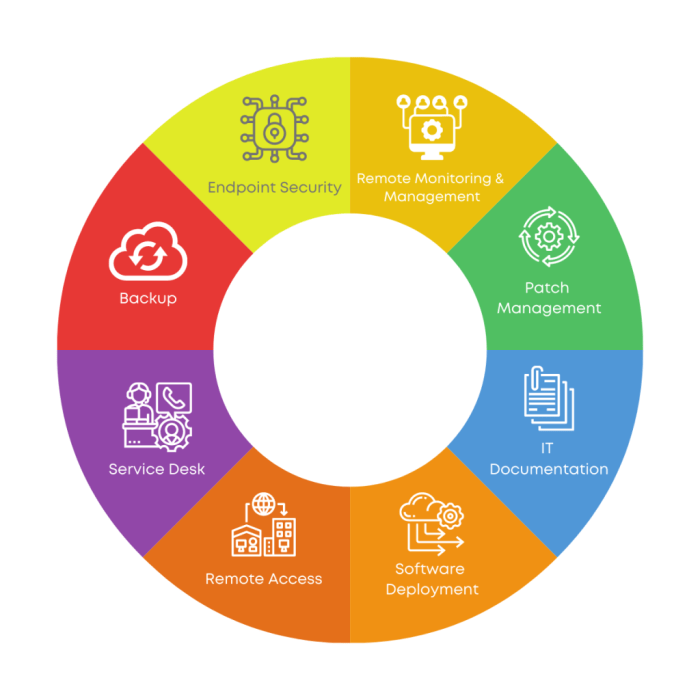
Implementing remote monitoring and management solutions offers numerous advantages for businesses looking to streamline their operations and enhance security.
Improved Efficiency and Productivity
- Remote monitoring and management solutions allow for real-time monitoring of systems and networks, enabling IT teams to identify and address issues promptly before they escalate.
- Automation of routine tasks and processes such as software updates and patches can significantly reduce downtime and increase overall productivity.
- Remote access to systems and devices empowers employees to work from anywhere, increasing flexibility and collaboration.
Cost Savings and Enhanced Security
- By proactively monitoring systems, businesses can prevent costly downtime and avoid potential financial losses associated with system failures.
- Remote monitoring and management solutions help in detecting and mitigating security threats, protecting sensitive data and ensuring compliance with regulations.
- Centralized management of IT infrastructure reduces the need for on-site support, cutting down operational costs and increasing efficiency.
Key Components of Leading Remote Monitoring and Management Solutions
When it comes to remote monitoring and management solutions, several key components are essential for ensuring effective oversight and control of IT systems. These components work together to provide a comprehensive solution that addresses various aspects of monitoring, automation, and reporting functionalities, as well as integration capabilities with existing IT infrastructure.
Monitoring
- Real-time monitoring of network devices, servers, applications, and other critical IT components.
- Alerting mechanisms to notify IT teams of potential issues or anomalies.
- Performance monitoring to track system health and identify bottlenecks or areas for improvement.
Automation
- Automated task execution for routine maintenance, updates, and troubleshooting.
- Scripting capabilities to customize automation workflows and streamline processes.
- Policy-based automation to enforce IT security protocols and compliance standards.
Reporting
- Centralized reporting dashboards for monitoring key performance indicators and metrics.
- Customizable reports to analyze trends, track historical data, and generate insights.
- Automated report scheduling for regular updates and compliance reporting.
Integration Capabilities
- Seamless integration with existing IT infrastructure, including legacy systems and cloud services.
- API support for connecting with third-party tools and applications for enhanced functionality.
- Data synchronization capabilities to ensure consistency across disparate systems and platforms.
Case Studies and Success Stories
Remote monitoring and management solutions have proven to be invaluable for businesses across various industries. Let's take a look at some real-world examples of companies that have reaped the benefits of these solutions.
Company A: Manufacturing Sector
- Minimize downtime by quickly identifying and addressing any potential issues remotely.
- Optimize production efficiency by monitoring performance metrics and making data-driven decisions.
- Enhance overall equipment effectiveness and reduce maintenance costs.
Company A, a leading manufacturing company, implemented a remote monitoring and management solution to oversee their production processes and equipment in real-time. This helped them:
Company B: IT Services Provider
- Proactively detect and resolve network issues before they impacted their clients.
- Ensure better security protocols and compliance with industry regulations.
- Improve response times and customer satisfaction levels significantly.
Company B, an IT services provider, utilized a remote monitoring and management solution to streamline their IT infrastructure and support services. The solution enabled them to:
Company C: Healthcare Industry
- Enhanced patient care with timely alerts for critical conditions and emergencies.
- Efficient resource allocation and utilization, leading to cost savings and improved operational efficiency.
- Compliance with healthcare regulations and data security standards.
Company C, a healthcare organization, integrated remote monitoring and management solutions to monitor patient data, medical equipment, and facility operations. The implementation resulted in:
Final Summary
In conclusion, Leading remote monitoring and management solutions offer a comprehensive approach to optimizing IT infrastructure and ensuring seamless operations. With real-world success stories showcasing their impact, it's clear that these solutions are vital for businesses looking to stay ahead in a rapidly evolving technological landscape.
User Queries
What are remote monitoring and management solutions?
Remote monitoring and management solutions are tools that allow businesses to oversee and control their IT systems from a remote location, ensuring smooth operations and proactive issue resolution.
How do these solutions improve efficiency and productivity?
By automating monitoring processes and providing real-time insights, remote monitoring and management solutions streamline operations, reduce downtime, and enhance overall productivity.
Can these solutions integrate with existing IT infrastructure?
Leading remote monitoring and management solutions are designed to seamlessly integrate with a company's current IT setup, providing a cohesive approach to monitoring and managing systems.
What cost savings and security enhancements can businesses expect?
Businesses implementing these solutions can benefit from reduced operational costs, improved security measures, and better risk mitigation strategies, leading to long-term savings and enhanced data protection.