Effective remote monitoring software is a game-changer in today's digital landscape, revolutionizing the way organizations track and manage their operations. With its ability to boost productivity and efficiency in remote work settings, this software is a must-have for companies looking to stay ahead.
Let's delve into the key aspects that make this technology so vital.
Importance of Effective Remote Monitoring Software
Remote monitoring software plays a crucial role in today's digital landscape by enabling organizations to efficiently monitor and manage their remote workforce. This technology allows companies to track employees' activities, ensure compliance with company policies, and maintain productivity levels even in a virtual work environment.
Enhanced Productivity and Efficiency
Effective remote monitoring software enhances productivity and efficiency by providing real-time insights into employees' performance and progress on tasks. By monitoring key metrics such as time spent on specific projects, active hours, and overall productivity levels, organizations can identify areas for improvement and optimize workflows.
This proactive approach helps streamline processes, reduce downtime, and ultimately drive better results.
- Remote monitoring software can track employees' login and logout times, ensuring they are adhering to their work schedules and staying productive during designated hours.
- By monitoring internet usage and application usage, organizations can identify potential distractions and address them to improve focus and productivity.
- Monitoring tools can also track project timelines and milestones, enabling managers to intervene if deadlines are at risk and allocate resources effectively to meet goals.
Benefiting Industries and Sectors
Various industries and sectors greatly benefit from utilizing remote monitoring tools to manage their remote workforce effectively. Industries such as IT, customer service, finance, and healthcare rely on remote monitoring software to ensure seamless operations and maintain high levels of productivity and security.
- In the healthcare sector, remote monitoring software enables healthcare providers to monitor patients' vital signs remotely, improving patient care and reducing the need for in-person visits.
- Financial institutions use remote monitoring tools to track employees' transactions and ensure compliance with regulations, reducing the risk of fraudulent activities.
- IT companies utilize monitoring software to track network performance, identify security threats, and troubleshoot issues remotely, ensuring seamless operations and data protection.
Key Features of Effective Remote Monitoring Software
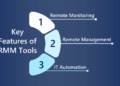
Effective remote monitoring software is crucial for businesses to ensure the smooth operation of their IT infrastructure and network systems. Key features that make remote monitoring software effective include real-time monitoring, alerts, and reporting capabilities.
Real-Time Monitoring
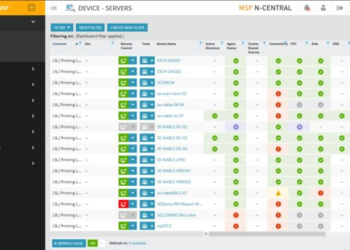
Real-time monitoring is a crucial feature of effective remote monitoring software as it allows businesses to track the performance of their systems continuously. This feature provides real-time data on network traffic, server health, and application performance, enabling IT teams to quickly identify and address any issues that may arise.
Alerts
Another essential feature of effective remote monitoring software is the ability to set up alerts for critical events or threshold breaches. These alerts notify IT teams immediately when there is a problem, allowing them to take proactive measures to resolve issues before they escalate and impact operations.
Reporting
Reporting capabilities are also key to effective remote monitoring software, as they provide valuable insights into system performance and trends over time. Reporting features allow businesses to analyze data, identify patterns, and make informed decisions to optimize their IT infrastructure and prevent future issues.In comparing different software options, some unique features that set them apart include customizable dashboards, automation capabilities, integration with other tools, and predictive analytics.
These features can further enhance the effectiveness of remote monitoring software and help businesses streamline their IT operations for maximum efficiency.
Implementation Strategies for Remote Monitoring Software
Implementing remote monitoring software can be a game-changer for organizations looking to streamline their operations and enhance efficiency. Here, we will discuss step-by-step strategies to successfully implement remote monitoring software, best practices for integration, and solutions for potential challenges.
Step-by-Step Guide for Implementation
- Assess Needs: Identify the key areas where remote monitoring software can bring the most value to your organization.
- Choose the Right Software: Research and select a remote monitoring solution that aligns with your specific requirements and goals.
- Plan Implementation: Develop a detailed implementation plan outlining timelines, responsibilities, and milestones.
- Training and Onboarding: Provide comprehensive training to staff members on how to use the software effectively.
- Integration with Existing Systems: Ensure seamless integration with your current systems and workflows for optimal performance.
- Testing and Feedback: Conduct thorough testing of the software and gather feedback from users for improvements.
- Ongoing Support: Offer continuous support and updates to maximize the benefits of remote monitoring software.
Best Practices for Integration
- Collaboration with IT Team: Involve your IT team from the early stages to ensure smooth integration with existing systems.
- Customization: Tailor the software to meet the specific needs of your organization for better functionality.
- Data Security Measures: Implement robust security protocols to protect sensitive data collected through the software.
- Regular Monitoring and Evaluation: Continuously monitor the performance of the software and make necessary adjustments as needed.
Challenges and Solutions
- Resistance to Change: Address employee concerns through effective communication and training programs to ease the transition.
- Technical Issues: Have a dedicated support team in place to troubleshoot and resolve any technical issues promptly.
- Data Privacy Concerns: Ensure compliance with data privacy regulations and educate users on how their data is being used and protected.
Security and Compliance Considerations
Ensuring data security and compliance are crucial aspects when using remote monitoring software. Organizations need to prioritize safeguarding sensitive information and adhering to regulations to prevent data breaches and legal implications.
Common Security Risks and Mitigation
- Unauthorized Access: Hackers may try to gain access to confidential data through loopholes in the software. Implementing strong encryption methods and multi-factor authentication can help mitigate this risk.
- Data Breaches: Inadequate security measures can lead to data leaks, compromising the integrity of the information. Regular security audits and updates can minimize the chances of data breaches.
- Malware Attacks: Remote monitoring software may be vulnerable to malware attacks if not properly protected. Installing antivirus programs and conducting regular scans can prevent malware from infecting the system.
- Insider Threats: Employees with access to monitoring software may misuse their privileges, posing a threat to data security. Implementing strict access controls and monitoring user activities can mitigate insider threats.
Regulatory Compliance
- GDPR Compliance: Organizations must ensure that remote monitoring software complies with the General Data Protection Regulation (GDPR) to protect the privacy of individuals' data.
- HIPAA Compliance: Healthcare organizations using monitoring software need to adhere to the Health Insurance Portability and Accountability Act (HIPAA) to safeguard patient information.
- PCI DSS Compliance: Companies handling payment card information must follow the Payment Card Industry Data Security Standard (PCI DSS) to secure financial data.
- SOC 2 Compliance: Service organizations can demonstrate their commitment to data security and privacy by obtaining System and Organization Controls (SOC 2) compliance.
Summary
In conclusion, effective remote monitoring software is not just a tool; it's a strategic asset that propels businesses towards success in a rapidly evolving digital world. By implementing the right solutions and adhering to best practices, organizations can harness the power of this technology to optimize their operations and achieve their goals efficiently.
Frequently Asked Questions
How can remote monitoring software benefit different industries?
Remote monitoring software can enhance operational efficiency, improve security measures, and streamline processes across various industries such as healthcare, manufacturing, and IT services.
What are some essential features to look for in remote monitoring software?
Key features include real-time monitoring capabilities, customizable alerts, detailed reporting, scalability options, and user-friendly interfaces for seamless integration.
How can organizations ensure data security while using remote monitoring software?
Organizations should prioritize encryption protocols, access controls, regular security audits, and compliance with data protection regulations to safeguard sensitive information.