Exploring the landscape of 2025 pricing for top remote monitoring and management software unveils a complex web of factors shaping the market. From cost drivers to subscription models, this discussion delves deep into the intricacies of pricing strategies in the digital realm.
As we navigate through the realms of features, functionalities, and pricing transparency, we uncover the intricate dance between value and cost in the realm of remote monitoring and management software.
Factors influencing pricing for remote monitoring and management software in 2025

In the ever-evolving landscape of remote monitoring and management software, pricing decisions are influenced by various factors that shape the market dynamics. Understanding these key influences is crucial for businesses to navigate the pricing strategies effectively.
Cost Drivers Impacting Pricing Decisions
When it comes to determining the pricing of remote monitoring and management software in 2025, several cost drivers play a significant role. These factors can include:
- Development and maintenance costs of the software.
- Integration with other systems and technologies.
- Customer support and training expenses.
- Security and compliance requirements.
Market Trends and Pricing Strategies
Market trends can heavily impact pricing strategies for remote monitoring and management software. Companies need to stay updated on trends such as:
- Shift towards cloud-based solutions.
- Increased demand for real-time monitoring capabilities.
- Focus on scalability and flexibility.
- Emergence of AI and machine learning in monitoring tools.
Role of Competition in Price Determination
Competition plays a vital role in determining the price points for remote monitoring and management software. Factors influenced by competition include:
- Competitor pricing strategies and offerings.
- Market positioning and differentiation.
- Customer perception of value and price sensitivity.
- Response to competitive pricing pressures.
Features and functionalities driving the cost of remote monitoring and management software
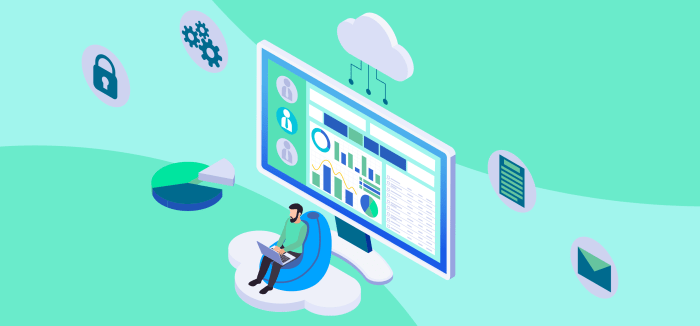
The cost of remote monitoring and management software is influenced by various features and functionalities that enhance its capabilities and performance. These advanced elements contribute to the overall pricing structure of the software.
Advanced Capabilities
- Real-time monitoring and alerts: Software that provides real-time monitoring of devices, networks, and applications, along with instant alerts for any issues or anomalies, tends to be priced higher due to the complexity of the technology involved.
- Automation and orchestration: Solutions that offer advanced automation and orchestration capabilities to streamline processes and workflows often come with a higher price tag, as they require sophisticated algorithms and integration with various systems.
- Predictive analytics: Remote monitoring software that leverages predictive analytics to anticipate potential problems and optimize performance can be more expensive due to the advanced data processing and machine learning algorithms involved.
Scalability and Customization Options
- Scalability: Software that can easily scale to accommodate a growing number of devices and users without compromising performance typically commands a higher price, as it requires robust infrastructure and resources to support scalability.
- Customization: Solutions that offer extensive customization options to tailor the software to specific business needs and workflows may have a higher price point, as customization often involves additional development and configuration efforts.
Security Features
- End-to-end encryption: Software that provides end-to-end encryption to secure data transmission and protect sensitive information from unauthorized access is likely to be priced higher due to the advanced encryption protocols and security measures implemented.
- Multi-factor authentication: Solutions that offer multi-factor authentication to enhance access control and protect against unauthorized logins may come with a higher price tag, as implementing and managing multi-factor authentication requires additional resources and technologies.
- Compliance certifications: Software that complies with industry regulations and standards, such as GDPR or HIPAA, may be priced higher due to the extensive security measures and compliance requirements that need to be met.
Subscription models and pricing strategies for remote monitoring and management software in 2025
Subscription models play a crucial role in determining the pricing strategies for remote monitoring and management software in 2025. Different subscription models, such as monthly, annual, and usage-based, offer various advantages and disadvantages to both software providers and customers
Monthly Subscription
A monthly subscription model involves customers paying a fixed amount each month to access the remote monitoring and management software. This model provides flexibility and allows customers to scale their usage based on their current needs. However, it may end up costing more in the long run compared to annual or usage-based models.
Annual Subscription
An annual subscription model requires customers to pay a lump sum amount for a year-long access to the software. This model often comes with discounts or cost savings compared to monthly subscriptions. Customers who have a long-term need for the software may find this model more cost-effective.
Usage-Based Subscription
A usage-based subscription model charges customers based on the actual usage of the remote monitoring and management software. This model provides a pay-as-you-go approach, allowing customers to pay only for the resources they use. While this can be cost-effective for light users, it may become expensive for heavy users.
Pricing transparency and value proposition in the remote monitoring and management software market
In the competitive landscape of remote monitoring and management software, pricing transparency plays a crucial role in building trust with customers and establishing a strong value proposition. Clear and upfront pricing information not only helps customers make informed decisions but also reflects the vendor's commitment to honesty and integrity.
Importance of transparent pricing for customers
Transparent pricing is essential for customers as it allows them to understand exactly what they are paying for and avoid any hidden costs or surprises. When pricing information is readily available, customers can compare different offerings more easily and choose the solution that best fits their budget and requirements.
This transparency fosters a sense of trust and reliability between the vendor and the customer, leading to a more positive overall experience.
- Customers appreciate knowing the full cost upfront without any hidden fees or unexpected charges.
- Transparent pricing builds credibility and helps customers feel confident in their purchasing decisions.
- It promotes a sense of fairness and honesty in the vendor-customer relationship.
How vendors communicate the value of their pricing to potential buyers
Vendors in the remote monitoring and management software market often communicate the value of their pricing by highlighting the features, functionalities, and benefits included in their packages. They may offer detailed comparisons with competitors, case studies, testimonials, or free trials to showcase the effectiveness of their solution.
By demonstrating the return on investment and cost savings that their software can provide, vendors aim to justify their pricing and convince potential buyers of the value they will receive.
- Vendors emphasize the unique value proposition of their software and how it can address specific pain points for customers.
- They provide clear explanations of the features and benefits included in each pricing tier to help customers understand what they are paying for.
- Case studies and testimonials from satisfied customers serve as proof points for the effectiveness of the software and its impact on businesses.
Correlation between pricing transparency and customer satisfaction
There is a direct correlation between pricing transparency and customer satisfaction in the remote monitoring and management software market. When customers feel that they are getting a fair deal and that the pricing is clear and justified, they are more likely to be satisfied with their purchase.
Transparent pricing also reduces the chances of misunderstandings or disputes between the vendor and the customer, leading to smoother interactions and stronger relationships.
- Customers who feel that the pricing is transparent are more likely to trust the vendor and perceive the software as valuable.
- Clarity in pricing information reduces the risk of buyer's remorse and increases overall satisfaction with the purchase.
- Transparent pricing fosters open communication and trust, laying the foundation for long-term customer loyalty.
Ending Remarks
In conclusion, the interplay of factors influencing pricing, the significance of features driving costs, and the nuances of subscription models create a dynamic pricing landscape for remote monitoring and management software in 2025. As the market evolves, transparency and value proposition will continue to be key players in shaping customer satisfaction and industry standards.
Answers to Common Questions
What are the key cost drivers influencing pricing decisions?
The key cost drivers include infrastructure expenses, maintenance costs, and development investments.
How do scalability and customization options impact the costs of remote monitoring software?
Scalability and customization options often lead to higher costs due to the need for tailored solutions and increased resources.
What advantages and disadvantages are associated with different subscription models?
Monthly subscriptions offer flexibility but may be costlier in the long run, while annual subscriptions provide cost savings but lock users into longer commitments.
Why is pricing transparency important in the remote monitoring software market?
Pricing transparency builds trust with customers and helps them understand the value they are receiving for the cost.
How do vendors communicate the value of their pricing to potential buyers?
Vendors often highlight the unique features, security measures, and customer support included in their pricing to showcase the value proposition.