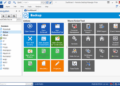
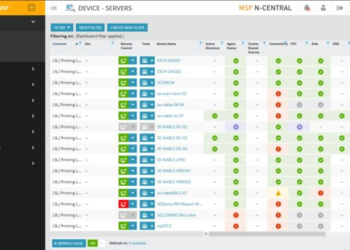
Embark on a journey through the realm of RMM software with advanced features tailored for IT managed service providers. Discover the intricate details and benefits that come with utilizing these cutting-edge solutions in the ever-evolving landscape of IT management.
Unravel the complexities and nuances of RMM software, delving into the essential functions and advantages they offer to streamline operations and enhance client satisfaction.
Overview of RMM Software for IT Managed Service Providers

RMM (Remote Monitoring and Management) software is a crucial tool for IT managed service providers as it allows them to remotely monitor and manage client endpoints, networks, and systems from a centralized platform. This software enables MSPs to proactively address issues, ensure network security, and deliver efficient IT services to their clients.
Advanced Features in RMM Software
- Automated Patch Management: RMM software automates the process of applying patches and updates to endpoints and systems, ensuring they are up-to-date and secure.
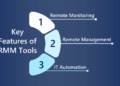
- Remote Access and Control: IT managed service providers can remotely access client devices to troubleshoot issues, install software, or perform maintenance tasks without the need for physical presence.
- Monitoring and Alerts: RMM software continuously monitors network performance, system health, and security status, sending alerts in real-time to prevent potential problems.
Benefits of Advanced RMM Software for IT Managed Service Providers
- Improved Efficiency: Advanced RMM software streamlines IT management processes, reduces manual intervention, and increases overall productivity for MSPs.
- Enhanced Security: With advanced features like automated patch management and real-time monitoring, IT managed service providers can ensure the security of client networks and systems.
- Client Satisfaction: By proactively addressing issues, minimizing downtime, and providing efficient IT services, MSPs can enhance client satisfaction and loyalty.
Implementation and Integration of RMM Software
- Best Practices: Before implementing RMM software, IT managed service providers should define their requirements, train their staff, and establish clear communication channels with clients.
- Integration Guide: To integrate RMM software effectively, MSPs should ensure compatibility with existing IT infrastructure, configure monitoring settings, and establish escalation procedures for alerts.
- Challenges and Solutions: Common challenges during implementation include resistance from staff, client onboarding issues, or technical difficulties. MSPs can overcome these by providing training, clear documentation, and proactive support.
Outcome Summary

As we conclude this exploration into RMM software with advanced features for IT managed service providers, we reflect on the transformative impact these tools can have on efficiency, productivity, and overall business success. Dive into the world of advanced RMM software and revolutionize your IT management strategies today.
FAQ Section
What are the key functions of RMM software?
RMM software functions include remote monitoring, patch management, automated maintenance, network mapping, and reporting.
How do advanced features in RMM software benefit IT managed service providers?
Advanced features like predictive analytics, automation workflows, and customizable alerts help IT providers enhance operational efficiency, reduce downtime, and improve client service levels.
What challenges might IT managed service providers face during RMM software implementation?
Challenges could include resistance to change, integration complexities with existing systems, and training staff to utilize new tools effectively. Overcoming these challenges requires proper planning and communication.