With the focus on the advantages of RMM software for MSPs, this paragraph sets the stage for a deep dive into how this technology revolutionizes IT management for multiple clients. Get ready to uncover the key benefits and insights that this software brings to the table.
In the following paragraphs, we will explore the importance, key features, benefits, and challenges of using RMM software for MSPs in detail.
Importance of RMM software for MSPs
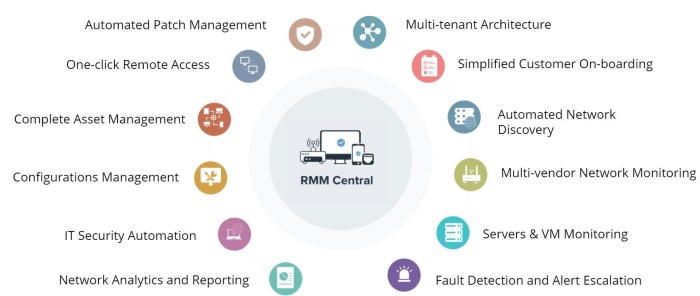
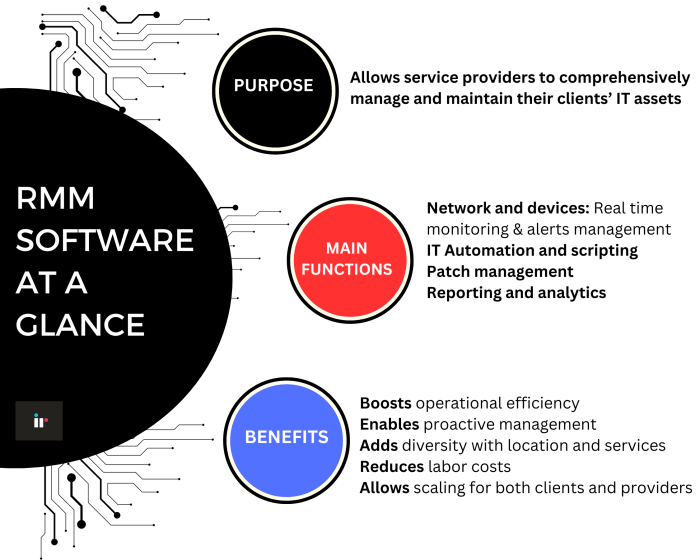
RMM software plays a crucial role in helping Managed Service Providers (MSPs) efficiently manage IT systems for multiple clients. By automating various tasks and providing proactive monitoring capabilities, RMM software enhances the overall efficiency and effectiveness of MSP operations.
Role of RMM software in managing IT systems
RMM software allows MSPs to remotely monitor and manage clients' IT infrastructure from a centralized dashboard. This includes overseeing network devices, servers, endpoints, and applications, ensuring optimal performance and security.
Proactive monitoring and maintenance
- Automated alerts for potential issues, enabling MSPs to address them before they escalate.
- Regular system updates, patch management, and antivirus scans to prevent vulnerabilities.
- Remote troubleshooting and maintenance tasks to resolve issues without interrupting client operations.
Tasks automated by RMM software
- Automated backup and disaster recovery processes to ensure data protection.
- Software deployment and updates across multiple client systems for seamless operations.
- Monitoring of hardware health and performance metrics to identify and address issues proactively.
Impact on reducing downtime and enhancing security
RMM software significantly reduces downtime for clients by identifying and resolving potential issues before they cause system failures. Additionally, by ensuring regular updates, patches, and security measures are in place, RMM software helps enhance the overall security posture of clients' networks, protecting them from cyber threats and breaches.
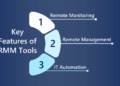
Key features of RMM software for MSPs
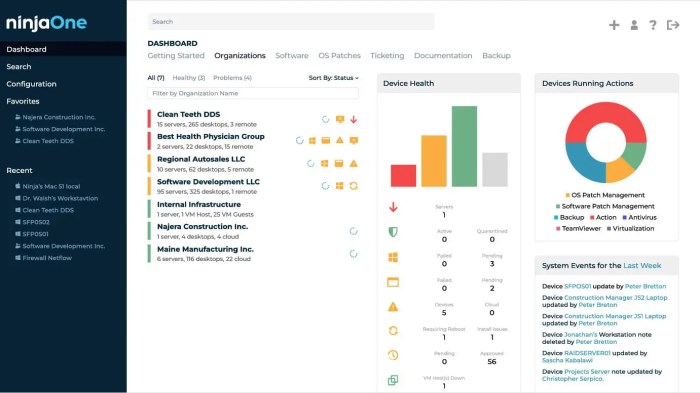
When selecting Remote Monitoring and Management (RMM) software, Managed Service Providers (MSPs) need to consider various key features that can enhance their network management capabilities and improve overall efficiency.
Automated Monitoring and Alerts
- Real-time monitoring of client networks to detect issues proactively.
- Automated alerts for potential problems to address them before they escalate.
- Customizable thresholds for alerts to prioritize critical issues.
Remote Access and Control
- Ability to remotely access and troubleshoot devices on client networks.
- Remote control features to perform maintenance tasks without disrupting end-users.
- Secure connections to ensure data privacy and compliance.
Patch Management
- Automated patch deployment for operating systems and software applications.
- Scheduling options for patch installations during off-peak hours.
- Tracking and reporting on patch status to ensure network security.
Software Deployment and Updates
- Centralized platform for deploying new software and updates across multiple devices.
- Version control to manage software configurations efficiently.
- Automated software updates to keep client systems secure and up to date.
Network Mapping and Inventory
- Visual representation of client networks for easy monitoring and management.
- Automated network discovery to maintain accurate inventory records.
- Detailed insights into network devices and configurations for better decision-making.
Benefits of using RMM software for MSPs
Real-time monitoring capabilities offer a range of advantages for Managed Service Providers (MSPs) looking to streamline their operations and enhance client satisfaction. One of the key benefits of RMM software is the ability to proactively monitor and manage client systems, networks, and devices in real time, allowing MSPs to address issues before they escalate.
Advantages of Real-time Monitoring
- Immediate alerts for potential issues, enabling quick response times and minimizing downtime for clients.
- Continuous monitoring of system health and performance, leading to improved overall network reliability.
- Ability to track trends and patterns, helping MSPs to identify recurring issues and implement long-term solutions.
Remote Issue Resolution
- RMM software empowers MSPs to troubleshoot and resolve client issues remotely, reducing the need for on-site visits and minimizing operational costs.
- Remote access and control capabilities enable technicians to address problems efficiently, regardless of client location.
- Enhanced remote support leads to faster issue resolution, boosting client satisfaction and loyalty.
Cost-saving Benefits
- Reduced operational costs through remote monitoring and management, eliminating the need for manual interventions and minimizing downtime.
- Efficient resource allocation and optimized workflows result in increased productivity and profitability for MSPs.
- Preventive maintenance and proactive problem-solving help avoid costly emergency repairs and service disruptions.
Improved Client Satisfaction and Retention
- Increased client satisfaction due to proactive monitoring, swift issue resolution, and enhanced system performance.
- Higher client retention rates as a result of improved service quality, reduced downtime, and overall better customer experience.
- Enhanced communication and transparency with clients, fostering trust and long-term partnerships.
Challenges and considerations when implementing RMM software
Implementing RMM software in an MSP environment can present various challenges that need to be addressed effectively to ensure a smooth transition and optimal utilization of the software.
Common challenges faced by MSPs when adopting RMM software:
- Lack of understanding of RMM software functionalities and capabilities
- Resistance from staff members to adapt to new technology
- Integration issues with existing systems and tools
- Ensuring data security and compliance while using RMM software
Strategies for overcoming integration issues with existing systems:
- Conduct a thorough assessment of current systems and identify compatibility issues
- Collaborate with RMM software providers to customize integrations as needed
- Provide adequate training to IT staff to manage integration processes effectively
The importance of training and support for MSP staff using RMM software:
- Training ensures that staff members understand how to maximize the benefits of RMM software
- Regular support and guidance help in troubleshooting issues and improving operational efficiency
- Enhanced training leads to increased productivity and better service delivery to clients
Key factors to consider before selecting and implementing RMM software in an MSP environment:
- Scalability of the software to accommodate business growth
- Cost-effectiveness and return on investment of the RMM software
- Level of customization and flexibility offered by the software
- Compatibility with existing IT infrastructure and tools
- Vendor reputation, reliability, and ongoing support services
Final Thoughts
As we conclude this discussion on the advantages of RMM software for MSPs, it's evident that this technology is a game-changer in the realm of IT management. From real-time monitoring to enhanced client satisfaction, the benefits are vast and impactful.
Embracing RMM software can truly elevate the way MSPs operate and deliver services to their clients.
Detailed FAQs
What are the cost-saving benefits of implementing RMM software for MSPs?
Implementing RMM software can lead to cost savings for MSPs by automating tasks, reducing downtime, and improving overall efficiency in managing client networks.
How does RMM software help in remotely resolving issues for clients?
RMM software enables MSPs to remotely access client systems, diagnose issues, and perform troubleshooting without the need for physical presence, resulting in faster issue resolution and improved client satisfaction.
What are the key factors to consider before selecting and implementing RMM software in an MSP environment?
Before selecting RMM software, MSPs should consider factors such as scalability, integration with existing tools, ease of use, training requirements, and vendor support to ensure a smooth implementation and optimal utilization of the software.