Diving into the realm of remote monitoring and management tools, this introduction sets the stage for an insightful discussion on the importance of these tools in modern IT infrastructure. Highlighting key features and real-world applications, this narrative aims to captivate readers and provide a comprehensive understanding of the topic.
Detailing the essential criteria for selecting these tools and delving into the intricacies of scalability and pricing models, this overview sets the tone for an engaging exploration of the most reliable remote monitoring and management tools available.
Overview of Remote Monitoring and Management Tools
Remote monitoring and management tools play a crucial role in maintaining the efficiency and security of IT infrastructure. These tools enable IT professionals to remotely monitor and manage servers, networks, endpoints, and other devices from a centralized location. By providing real-time insights and alerts, these tools help in identifying and resolving issues before they escalate, minimizing downtime and optimizing performance.
Key Features of Reliable Remote Monitoring and Management Tools
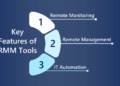
- Continuous Monitoring: Reliable tools offer 24/7 monitoring of critical systems and devices to ensure proactive issue detection.
- Alerting and Notification: Instant alerts and notifications help IT teams respond promptly to potential problems or security threats.
- Remote Access and Control: The ability to remotely access and control devices allows for quick troubleshooting and maintenance tasks without physical presence.
- Performance Reporting: Detailed performance reports and analytics provide valuable insights for optimizing IT operations and resource allocation.
- Automation Capabilities: Automation features streamline routine tasks and processes, improving efficiency and reducing human error.
Industries Relying on Remote Monitoring and Management Tools
- Healthcare: Hospitals and healthcare facilities use these tools to monitor medical devices, patient data, and ensure compliance with security regulations.
- Finance: Banks and financial institutions rely on remote monitoring tools to safeguard sensitive financial information and prevent cyber threats.
- Manufacturing: Factories and production facilities use these tools to monitor equipment, track production processes, and ensure operational efficiency.
- Telecommunications: Telecom companies leverage remote monitoring tools to manage network infrastructure, troubleshoot issues, and deliver quality services to customers.
Key Factors to Consider when Choosing a Remote Monitoring and Management Tool
When selecting a remote monitoring and management tool for your business, several key factors need to be taken into consideration to ensure you choose the most reliable option that meets your specific needs.
Essential Criteria for Selection
- Compatibility: Ensure that the tool is compatible with your existing systems and devices to avoid any integration issues.
- Monitoring Capabilities: Look for a tool that offers comprehensive monitoring features to track performance, security, and availability.
- Alerting and Reporting: Check for alerting mechanisms and reporting functionalities to keep you informed of any issues in real-time.
- Automation: Consider tools that offer automation capabilities to streamline processes and improve efficiency.
- Security: Prioritize security features to protect your data and ensure compliance with industry regulations.
Scalability and Reliability
Scalability plays a crucial role in determining the reliability of a remote monitoring and management tool. A scalable tool can grow with your business and adapt to changing needs without compromising performance. It ensures that the tool remains effective and efficient as your organization expands.
Pricing Models and Impact on Reliability
There are different pricing models for remote monitoring and management tools, such as subscription-based, pay-per-use, or one-time licensing fees. The pricing model can impact the reliability of the tool in several ways:
- Subscription-based models provide regular updates and support, ensuring the tool remains up-to-date and secure.
- Pay-per-use models can be cost-effective for small businesses but may lack certain features compared to subscription-based options.
- One-time licensing fees may offer long-term cost savings but might not include ongoing support and updates, affecting the tool's reliability over time.
Top Remote Monitoring and Management Tools in the Market
When it comes to remote monitoring and management tools, there are several popular options available in the market. Each tool comes with its unique set of strengths and weaknesses, catering to different needs and preferences of users. User feedback and reviews play a crucial role in evaluating the reliability and effectiveness of these tools.
SolarWinds RMM
SolarWinds RMM is a comprehensive remote monitoring and management tool that offers a wide range of features such as patch management, remote control, and network discovery. Its strength lies in its user-friendly interface and robust security measures. However, some users have reported occasional glitches and technical issues.
ConnectWise Automate
ConnectWise Automate is another popular tool known for its automation capabilities and customizable alerts. It provides detailed insights into network performance and system health. On the downside, some users find the learning curve steep and the pricing structure confusing.
Kaseya VSA
Kaseya VSA is a powerful remote monitoring tool that offers real-time monitoring, automation, and remote control functionalities. It is praised for its scalability and integration options. However, some users have raised concerns about occasional performance issues and complex setup processes.
ManageEngine OpManager
ManageEngine OpManager is a reliable tool that provides network monitoring, performance management, and fault diagnosis features. Its intuitive dashboard and customizable reports make it a popular choice among users. Nevertheless, some users have mentioned limitations in terms of customization and advanced features.
Security Features of Reliable Remote Monitoring and Management Tools
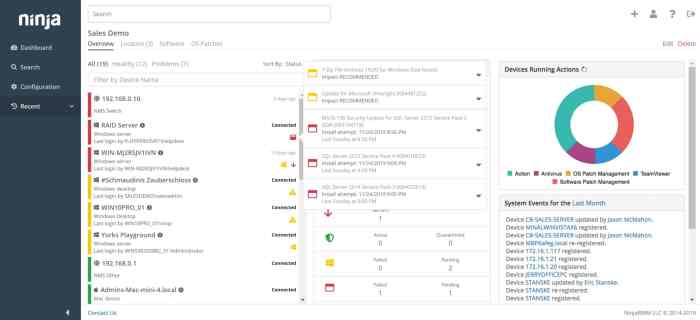
Security is a crucial aspect when it comes to remote monitoring and management tools. Ensuring the protection of data, systems, and networks is essential to prevent unauthorized access and potential breaches.
Importance of Security in Remote Monitoring and Management Tools
- Encryption: Utilizing strong encryption algorithms helps in securing data transmission and storage, making it difficult for cybercriminals to intercept and decipher sensitive information.
- Access Controls: Implementing access controls ensures that only authorized personnel can access the remote monitoring and management tools, reducing the risk of insider threats.
- Authentication Mechanisms: Strong authentication mechanisms such as multi-factor authentication add an extra layer of security by verifying the identity of users before granting access.
Examples of Security Breaches and Responses
One notable security breach related to remote monitoring and management tools occurred when a hacker gained unauthorized access to a company's network through a vulnerable remote monitoring tool. The breach was addressed by immediately patching the vulnerability and enhancing security measures to prevent future incidents.
Final Thoughts
In conclusion, this discussion has shed light on the significance of security features in remote monitoring and management tools, emphasizing the role of encryption and access controls in enhancing reliability. By examining real examples of security breaches and their resolutions, readers gain valuable insights into ensuring the safety and effectiveness of these tools.
Questions Often Asked
What are the key features that make a remote monitoring and management tool reliable?
Key features include real-time monitoring, customizable alerts, and comprehensive reporting capabilities.
How does scalability impact the reliability of remote monitoring and management tools?
Scalability ensures that the tool can grow with the business's needs, maintaining performance and efficiency over time.
What are some examples of industries that heavily rely on these tools?
Examples include healthcare for patient monitoring, finance for transaction security, and manufacturing for production line oversight.
Why is security important in remote monitoring and management tools?
Security is crucial to protect sensitive data and prevent unauthorized access to critical systems, ensuring the overall integrity of operations.